Have you ever wondered why you’re consistently tired, even after a full night’s sleep? Or why do you wake up with a sore throat or a headache most mornings? The answer might lie in an often-overlooked area of your health: your ears, nose, and throat. For many in Irvine, CA, understanding the profound connection between ENT health and overall well-being is the first step toward reclaiming restful nights and energized days.
If you’re searching for an ENT specialist in Irvine, CA, or an “ENT specialist near me,” it’s important to recognize how these intricate systems dictate our ability to breathe, sleep, and thrive.
The Role of ENT Health in Breathing
Breathing seems like the most natural thing in the world, yet its efficiency is heavily dependent on the health of your nasal passages, sinuses, and throat structures. These intricate pathways are designed to filter, humidify, and warm the air before it reaches your lungs, ensuring optimal oxygen absorption. When they function correctly, air flows smoothly, and your body receives the vital oxygen it needs.
However, various conditions can obstruct or narrow these essential airways. A deviated septum, where the thin wall separating your nostrils is off-center, can significantly impede airflow, making it difficult to breathe through one or both sides. Similarly, enlarged tonsils or adenoids, particularly common in children but also affecting adults, can narrow the throat, making breathing labored, especially during sleep when muscles relax. Conditions like nasal polyps or chronic swelling from allergies can also block the nasal passages. These obstructions often lead to mouth breathing, bypassing the nose’s natural filtering and humidifying functions.
Nasal breathing is paramount for proper oxygenation and sustained energy. It helps in the production of nitric oxide, a molecule that dilates blood vessels, improving oxygen delivery throughout the body. When your nasal passages are clear, you breathe more efficiently, leading to better oxygen uptake and, consequently, more energy.
If you find yourself frequently mouth breathing, especially at night, it might be time to consult an ENT specialist in Irvine, CA, to explore potential obstructions. This fundamental aspect of ENT health is the cornerstone of your energy levels.
ENT Conditions That Disrupt Sleep
The quality of your sleep is intimately tied to how well you breathe, and many ENT conditions can severely disrupt your sleep cycles.
Sleep apnea is a prime example. This serious condition involves repeated pauses in breathing or shallow breaths during sleep. Obstructive sleep apnea (OSA), the most common type, occurs when the soft tissues in the back of the throat relax and collapse, blocking the airway. ENT-related risk factors for OSA include large tonsils, an elongated soft palate, or a small jaw structure. These issues contribute to airway narrowing, leading to oxygen deprivation and frequent awakenings, often without you even realizing it. An ENT specialist in Irvine, CA, can evaluate these structural issues.
Snoring is another common sleep disturbance with significant ENT connections. It happens when air flows past relaxed tissues in the throat, causing vibrations and sound. While occasional snoring might be harmless, loud, chronic snoring can be a sign of a more serious underlying problem, such as OSA or chronic nasal congestion. If your snoring is loud enough to bother others, or if it’s accompanied by gasping or choking sounds, it’s a strong indicator to see an ENT.
Chronic nasal congestion and sinusitis are frequent culprits behind restless nights. When your nasal passages and sinuses are inflamed and filled with mucus, breathing comfortably through your nose becomes challenging, especially when lying down. This often forces you to breathe through your mouth, leading to a dry throat, discomfort, and frequent awakenings. These conditions prevent you from reaching the deep, restorative stages of sleep vital for feeling refreshed. Addressing these underlying ENT issues is important for improving sleep quality.
If you consistently suffer from congestion, an ENT specialist in Irvine, CA, can help diagnose and treat the cause.
The repercussions of poor sleep quality, often stemming from underlying ENT problems, extend far beyond simply feeling tired. Inadequate and fragmented sleep leads to a cascade of daytime symptoms that significantly impact your ability to function.
Persistent fatigue is perhaps the most common complaint, a pervasive feeling of tiredness that isn’t relieved by rest. This can make it incredibly difficult to concentrate, perform daily tasks, and maintain motivation. You might also experience “brain fog,” characterized by difficulties with memory, focus, and decision-making. When your brain doesn’t get the restorative sleep it needs, cognitive functions suffer, affecting your productivity at work or school and overall mental clarity. Mood swings and irritability are also frequently associated with chronic sleep deprivation, leading to frustration and anxiety.
The link between interrupted breathing at night and daytime drowsiness is particularly strong. Conditions like sleep apnea prevent your body from entering and staying in deep, restorative sleep. This results in excessive daytime sleepiness, where you feel overwhelmingly tired even after spending what seems like enough time in bed. This significantly impairs your ability to stay awake and alert, increasing the risk of accidents and seriously impacting your quality of life.
Many individuals have experienced a dramatic improvement in their daytime energy levels and overall well-being after identifying and treating ENT conditions that were disrupting their sleep. Patients with sleep apnea who undergo effective treatment, such as CPAP therapy or surgical correction of airway obstructions, often report a significant reduction in daytime fatigue and a boost in their ability to concentrate.
Similarly, those with chronic sinusitis who receive appropriate medical management often find that their sleep improves, leading to increased energy and a better mood during the day.
Signs Your ENT Health Might Be Affecting Your Sleep
Recognizing the signs that your ENT health might be contributing to your sleep problems is the first step toward finding solutions. Several indicators warrant evaluation by an ENT specialist.
Frequent waking, gasping, or choking during sleep: These are significant red flags for sleep apnea or other breathing-related sleep disorders. Your bed partner might report these observations more often than you notice them yourself.
Morning headaches or sore throat: Waking up with a headache can be a symptom of oxygen desaturation from interrupted breathing. A dry or sore throat, especially in the mornings, often indicates mouth breathing during the night due to nasal obstruction.
Persistent fatigue despite “enough” hours of sleep: If you consistently feel exhausted and sluggish throughout the day, even after seemingly adequate sleep, it’s a strong sign that the quality of your sleep is compromised. Your body isn’t getting the restorative rest it needs.
Loud snoring and reports of restless sleep from a partner: While not all snoring indicates a problem, loud and habitual snoring, particularly if your partner notices pauses in your breathing, should prompt a visit to an ENT specialist in Irvine, CA.
If you recognize any of these signs, don’t dismiss them. They are your body’s way of telling you that something isn’t right with your ENT health, and it’s impacting your ability to get proper rest.
How to Improve ENT Health for Better Sleep and Energy
Improving your ENT health to achieve better sleep and sustained energy involves a comprehensive approach, often combining medical treatments and lifestyle adjustments.
For obstructed airways, an ENT specialist may recommend medical treatments. These could include surgical options for conditions like a deviated septum, enlarged tonsils or adenoids, or nasal polyps. These procedures aim to physically open up the breathing passages, significantly improving airflow and alleviating sleep-disordered breathing. For sleep apnea, Continuous Positive Airway Pressure (CPAP) therapy is a common and highly effective treatment. This involves wearing a mask that delivers a constant stream of air pressure to keep your airway open during sleep, preventing breathing pauses.
Allergy treatment, including medications, nasal sprays, and allergy immunotherapy, can also be important for managing chronic nasal congestion and sinusitis that disrupt sleep.
Beyond medical interventions, certain lifestyle changes can also profoundly impact your ENT health and promote better sleep.
Weight management: Excess weight, especially around the neck, can contribute to airway obstruction and worsen conditions like sleep apnea.
Sleeping position: For some, simply adjusting their sleeping position (e.g., sleeping on your side instead of your back) can help keep the airway open.
Humidification: Using a humidifier in your bedroom can keep nasal passages moist, which is beneficial for individuals experiencing nasal congestion or dryness, particularly in dry climates like Irvine, CA.
Avoid irritants: Reducing exposure to smoke, strong chemicals, and known allergens can significantly reduce inflammation in your airways.
An ENT can conduct a thorough examination of your nasal passages, throat, and tonsils. They may recommend further testing, such as a sleep study, to determine if an underlying ENT condition is affecting your sleep and energy levels. Early diagnosis and appropriate management can lead to significant improvements in your overall health and quality of life.
Conclusion
The profound connection between healthy ears, nose, and throat and our ability to achieve restful sleep and maintain high energy levels cannot be overstated. When your ENT health is optimized, your body can breathe efficiently, leading to deeper, more restorative sleep and, consequently, greater vitality throughout your day. Conversely, unresolved ENT issues can trigger a cascade of problems, from chronic fatigue and cognitive impairment to mood disturbances.
As we navigate the later stages of life, our bodies undergo various transformations, some of which can significantly impact our ear, nose, and throat (ENT) health. While younger adults may experience ENT issues, the aging process introduces unique challenges and vulnerabilities that necessitate specialized senior ENT care. Understanding how aging affects these interconnected systems is important for maintaining a good quality of life. The goal of this blog post is to raise awareness about common age-related ENT conditions and encourage early evaluation and care, especially for those seeking an ENT specialist in Irvine.
Age-Related Sinus and Nasal Issues
The sinuses and nasal passages, vital for breathing and filtering air, are often affected by aging. Seniors commonly experience chronic sinusitis, a persistent inflammation of the sinuses, and postnasal drip, where excess mucus drains down the back of the throat. These issues can be exacerbated by structural changes in the nose, such as nasal valve collapse or thinning of the mucosal lining, which can impair airflow and drainage. Furthermore, a reduced immune response in older adults can lead to recurrent infections, making them more susceptible to prolonged sinus problems.
Distinguishing between allergies and non-allergic rhinitis is also important in seniors, as symptoms can be similar but require different management strategies. Fortunately, various sinus treatments in Irvine options are available. These include conservative approaches like saline rinses and corticosteroid nasal sprays to reduce inflammation. For more persistent or severe cases, advanced procedures such as balloon sinuplasty, a minimally invasive technique to open blocked sinus passages, or endoscopic sinus surgery, may be recommended by an ENT specialist in Irvine to restore proper sinus function and alleviate symptoms.
Hearing Loss in Older Adults (Presbycusis)
One of the most prevalent and impactful age-related ENT conditions is hearing loss, specifically presbycusis, which is a gradual, age-related decline in hearing. The prevalence of hearing loss among seniors is substantial and has far-reaching consequences beyond just difficulty hearing. It can profoundly impact communication, leading to frustration and social isolation. Unaddressed hearing loss has also been linked to cognitive decline, highlighting the importance of early intervention.
Hearing loss can be broadly categorized into two types: conductive and sensorineural. Conductive hearing loss occurs when sound waves are blocked from reaching the inner ear, often due to earwax buildup, fluid in the middle ear, or damage to the eardrum. Sensorineural hearing loss, the more common type in seniors, results from damage to the inner ear (cochlea) or the auditory nerve.
Evaluation tools for hearing loss typically involve comprehensive hearing tests and audiograms conducted by an audiologist or an ENT specialist for seniors. Based on the type and severity of hearing loss, treatment options may include hearing aids, which amplify sounds, or, in more severe cases, cochlear implants, which are electronic devices that bypass damaged parts of the inner ear and directly stimulate the auditory nerve. Assistive listening devices can also be beneficial in specific listening environments. Early hearing screening and intervention are paramount to mitigate the negative effects of hearing loss on overall well-being.
The throat and vocal cords are also susceptible to age-related changes, leading to a range of disorders that can affect speech and swallowing. Common causes include acid reflux (laryngopharyngeal reflux or LPR), where stomach acid irritates the throat, and dry throat, often due to decreased saliva production or certain medications. Vocal cord atrophy, a thinning and weakening of the vocal cords, can lead to hoarseness or a breathy voice.
Seniors may also experience chronic cough and swallowing difficulties, known as dysphagia. Untreated dysphagia can be particularly dangerous, increasing the risk of aspiration pneumonia (when food or liquid enters the lungs) and malnutrition. Diagnostic tools for these conditions include laryngoscopy, a procedure where a flexible tube with a camera is used to visualize the vocal cords and throat, and swallow studies, which assess the swallowing mechanism.
Treatment options for throat and voice disorders vary depending on the underlying cause. Speech therapy can help improve vocal function and swallowing techniques. Hydration and reflux management (dietary changes, medications) are often recommended. In some cases, surgical correction may be necessary for structural issues affecting the vocal cords or swallowing. An ENT specialist in Irvine can provide comprehensive throat care and develop a personalized treatment plan.
Sleep & Breathing Concerns in Older Adults
The relationship between ENT issues and sleep apnea is particularly significant in older adults. Sleep apnea, a condition characterized by repeated pauses in breathing during sleep, often presents with symptoms like snoring and daytime fatigue. As we age, the muscles in the airway can lose tone, and anatomical changes in the nasal passages and throat can contribute to airway obstruction.
If you or a loved one experiences persistent snoring, gasping during sleep, or unexplained daytime fatigue, it’s essential to seek a sleep study or an ENT evaluation. An ENT specialist in Irvine can assess for nasal obstruction (e.g., deviated septum, turbinate enlargement) and other anatomical factors contributing to sleep apnea. While Continuous Positive Airway Pressure (CPAP) therapy is a common treatment, there are also CPAP alternatives and airway procedures, such as septoplasty (to correct a deviated septum) or turbinate reduction, that can improve airflow and reduce sleep apnea symptoms.
Given the unique ENT challenges faced by older adults, it’s important to be proactive about seeking specialized care. You should consider seeing an ENT specialist if you experience any of the following persistent or worsening symptoms:
Persistent congestion or sinus infections: If over-the-counter remedies aren’t providing relief, or infections are frequent.
Noticeable or worsening hearing loss: Any difficulty understanding conversations, especially in noisy environments, or needing to turn up the volume significantly.
Chronic throat irritation, cough, or voice changes: Hoarseness that lasts for more than a few weeks, a persistent cough, or a change in voice quality.
Difficulty swallowing or unexplained weight loss: These can be signs of serious underlying issues and require immediate evaluation.
Snoring, gasping during sleep, or daytime fatigue: These symptoms could indicate sleep apnea and warrant an ENT assessment.
An ENT specialist for seniors understands the specific considerations related to age and can provide tailored diagnostics and treatment plans for ENT care for hearing and sinus issues, as well as throat and sleep-related concerns.
Conclusion
Specialized senior ENT care plays a vital role in maintaining the health and daily function of older adults. The aging process introduces unique considerations for the ears, nose, and throat, from chronic sinus issues and prevalent hearing loss to various throat care and voice disorders, and the significant impact of sleep apnea. While these conditions can be challenging, many are manageable or treatable with early intervention. We encourage seniors and their caregivers to prioritize routine ENT checkups, especially when experiencing persistent or worsening symptoms.
As parents, few things are more concerning than when our children face health challenges, especially those that might require surgery. Among the most common pediatric procedures, tonsil and adenoid removal often sparks a lot of questions and some apprehension. However, understanding the reasons behind the surgery, the process itself, and what to expect during recovery can empower parents and alleviate concerns. The good news is that these procedures are generally safe and frequently lead to significant improvements in a child’s long-term health and quality of life.
What Are Tonsils and Adenoids?
Before looking at the surgery, let’s understand what tonsils and adenoids are. Located at the back of the throat, the tonsils are two oval-shaped pads of tissue. The adenoids are similar tissues located high up in the throat, behind the nose, and above the roof of the mouth. Both are part of the immune system, acting as a first line of defense against bacteria and viruses that enter the body through the mouth and nose. They “sample” these germs and produce antibodies to fight them.
While they play a role in immunity, especially in very young children, their importance diminishes as a child grows and the immune system develops more widely. Unfortunately, these lymphoid tissues can sometimes cause more problems than they solve. They can become enlarged, obstructing breathing and other functions, or they can become chronically infected, leading to recurring illnesses.
Common Reasons for Surgery
Deciding when to schedule tonsil surgery or adenoid removal is an important step that an ENT specialist in Irvine will help you navigate. There are several primary reasons why an ENT in Irvine might recommend these procedures:
Recurrent Tonsillitis or Strep Throat: This is one of the most frequent indicators. If your child experiences frequent and severe throat infections, typically 5–7 episodes in a single year, or 3–4 episodes per year over two consecutive years, an ENT will likely consider removal. Chronic infections can lead to missed school, difficulty eating, and general discomfort.
Obstructive Sleep Apnea (OSA) or Snoring: Enlarged tonsils and/or adenoids are a leading cause of OSA in children. When these tissues are too large, they can block the airway during sleep, leading to loud snoring, gasping for air, restless sleep, and even pauses in breathing. Untreated OSA can impact a child’s growth, development, and behavior.
Chronic Mouth Breathing, Nasal Congestion, or Sinus Infections: Enlarged adenoids, in particular, can block the nasal passages, forcing a child to breathe through their mouth constantly. This can lead to a dry mouth, dental issues, and contribute to chronic nasal congestion and recurrent sinus infections.
Difficulty Swallowing or Speech Issues: In rare cases, extremely large tonsils can make it difficult for a child to swallow solid foods or even impact their speech patterns.
Ear Infections Caused by Blocked Eustachian Tubes: The adenoids are located near the opening of the Eustachian tubes, which connect the middle ear to the back of the throat. Enlarged adenoids can block these tubes, leading to fluid buildup in the middle ear and recurrent ear infections. This is often a reason for a pediatric ENT near me to recommend adenoidectomy.
The decision to proceed with tonsil surgery or adenoid removal is never taken lightly. It always begins with a comprehensive consultation with an ENT specialist in Irvine. During this visit, the ENT will:
Take a thorough medical history: This includes details about the frequency and severity of your child’s symptoms, such as how many infections they’ve had, how long they last, and what treatments have been tried.
Perform a physical examination: The ENT will examine your child’s throat, nose, and ears. They may use a small mirror or a flexible scope to visualize the tonsils and adenoids directly.
Consider a sleep study: If obstructive sleep apnea is suspected, the ENT may recommend a polysomnogram (sleep study) to objectively assess the severity of the breathing obstruction during sleep.
Evaluate the impact on quality of life: The ENT will discuss how the symptoms are affecting your child’s daily life. Are they missing a lot of school? Are they constantly tired or irritable due to poor sleep? Are there behavioral changes?
All these factors are weighed together to determine if the benefits of surgery outweigh the risks.
What to Expect Before Surgery
Once the decision is made, your ENT’s office will provide detailed pre-operative instructions. This typically includes:
Pre-operative evaluation and medical clearance: Your child may need blood tests or other screenings to ensure they are healthy enough for surgery. Your pediatrician will also provide medical clearance.
Instructions for fasting: Your child mustn’t eat or drink anything for a specified period before surgery (usually 6-8 hours for food, and 2-4 hours for clear liquids). This is to prevent complications during anesthesia.
Medication instructions: You’ll be advised on which medications to stop before surgery and which, if any, your child should continue taking.
Day-of-surgery logistics: You’ll receive information about arrival times, where to check in, and what to bring.
Explaining the procedure to your child: It’s helpful to talk to your child about what will happen in an age-appropriate way. Reassure them that they will be asleep during the surgery and that it will help them feel better. Many hospitals have child life specialists who can help with this.
What Happens During the Procedure?
Tonsil and adenoid removal is performed under general anesthesia, meaning your child will be completely asleep and won’t feel any pain during the surgery. It’s typically an outpatient procedure, meaning your child will go home the same day. The surgery usually takes between 30 to 60 minutes.
Depending on the specific case, the surgeon will remove the tonsils (tonsillectomy), the adenoids (adenoidectomy), or both (adenotonsillectomy). Various techniques can be used, including traditional cold knife dissection, electrocautery (using heat to remove tissue and stop bleeding), or coblation (using radiofrequency energy). Your ENT specialist in Irvine will discuss the specific technique they plan to use.
Recovery and Aftercare
The recovery period is an important part of the process, and understanding what to expect will help you prepare. The typical recovery time for tonsil and adenoid surgery is about 7 to 14 days.
Common side effects include:
Sore throat: This is the most prominent symptom and can range from mild to severe.
Ear pain: This is very common and is usually “referred pain” from the throat, meaning the pain originates in the throat but is felt in the ears.
Low-grade fever: A mild fever (up to 101°F or 38.3°C) is normal for a few days after surgery.
Bad breath: This is common and usually resolves as the surgical site heals.
Diet recommendations focus on soft, easy-to-swallow foods. Think ice cream, yogurt, applesauce, mashed potatoes, and scrambled eggs. Hydration is key, so encourage plenty of clear liquids. Avoid acidic foods (like orange juice or tomatoes), rough foods (like chips or toast), and hot foods that can irritate the surgical site.
Pain management is critical for a comfortable recovery. Your ENT will prescribe pain medication, typically a combination of acetaminophen and possibly an opioid for more severe pain. Stick to the prescribed schedule to stay ahead of the pain. Activity restrictions will be in place for a week or two, limiting strenuous activities and encouraging rest.
It’s also important to be aware of “red flags” during recovery:
Bleeding: Any fresh, bright red blood from the mouth or nose, especially if it’s more than a few streaks, warrants immediate contact with your ENT.
High fever: A fever over 102°F (38.9°C) that doesn’t respond to medication should be reported.
Dehydration: Signs include decreased urination, dry mouth, and lethargy. If your child isn’t drinking enough, contact your doctor.
Benefits and Potential Risks
The long-term benefits of tonsil and adenoid surgery can be significant for many children. These include:
Fewer infections: A dramatic reduction in the frequency and severity of tonsillitis and strep throat.
Better sleep: Improved breathing during sleep, leading to reduced snoring and resolution of sleep apnea.
Improved breathing and behavior: Children who sleep better often have improved concentration, mood, and overall behavior during the day.
Reduced ear infections and sinus issues.
As with any surgical procedure, there are potential short-term risks, though they are generally low:
Bleeding: The most common risk, usually occurring within the first 24 hours or around 5-10 days post-op, as scabs fall off.
Anesthesia reaction: Though rare, some children may experience nausea, vomiting, or other reactions to anesthesia.
Temporary voice changes: A slight change in voice quality is sometimes noted, usually resolving within a few weeks.
Your ENT specialist in Irvine will discuss all potential risks honestly and thoroughly during your consultation, ensuring you are fully informed.
For many children struggling with recurrent infections, sleep apnea, or other issues related to enlarged tonsils and adenoids, surgery offers a safe and highly effective solution. As a parent, being informed is your best tool. By understanding the reasons for the procedure, what to expect, and how to support your child through recovery, you can feel more confident in the process.
If your child is experiencing symptoms that might indicate a need for tonsil or adenoid surgery, we encourage you to schedule a consultation with OC ENT Head and Neck Surgery, a board-certified ENT, to evaluate if it’s the right step for your child’s health and well-being.
Gastroesophageal Reflux Disease (GERD) is a common digestive condition that occurs when stomach acid backs up into the esophagus, the tube that connects your mouth to your stomach. This can cause a burning sensation in the chest, known as heartburn, along with allergies causing acid reflux, chest discomfort, and other unpleasant symptoms. While fatty foods, caffeine, and smoking are well-known triggers of GERD, there’s a surprising connection between GERD and allergies that many people don’t realize. This article explores how allergies can trigger or worsen GERD symptoms, and what you can do to find relief.
What is GERD?
GERD, or Gastroesophageal Reflux Disease, is a digestive disorder that occurs when stomach acid or bile flows back up into the esophagus. This backflow, often referred to as acid reflux, can irritate the lining of the esophagus, leading to various symptoms.
The Role of the Lower Esophageal Sphincter (LES)
The LES is a muscular ring located at the bottom of the esophagus.It acts as a valve, opening to allow food and liquids to pass into the stomach and then closing tightly to prevent stomach contents from flowing back up. When the LES relaxes inappropriately or weakens, stomach acid can escape into the esophagus, triggering GERD symptoms.
Common Triggers of GERD
Several factors can contribute to GERD, including:
Dietary Factors:
Fatty Foods: High-fat foods can relax the LES and slow down digestion.
Spicy Foods: Spicy foods can irritate the esophagus and trigger reflux.
Acidic Foods: Citrus fruits, tomatoes, and vinegar-based foods can worsen GERD symptoms.
Alcohol: Alcohol can weaken the LES and irritate the esophagus.
Caffeine: Caffeine can relax the LES and increase stomach acid production.
Lifestyle Factors:
Smoking: Smoking can weaken the LES and irritate the esophagus.
Overeating: Eating large meals can put pressure on the LES.
Lying Down After Eating: Lying down shortly after eating can increase the risk of acid reflux.
Certain Medications:
Aspirin and NSAIDs: These medications can irritate the stomach lining.
Calcium Channel Blockers: These medications can relax the LES.
Understanding Allergies and Their Impact on Digestion
Allergies occur when the body’s immune system overreacts to a harmless substance, such as pollen, dust mites, or certain foods. This reaction can trigger inflammation throughout the body, including the digestive system. This inflammation can disrupt normal digestion and contribute to GERD symptoms. Three main types of allergies can impact digestion:
Food allergies and GERD: These allergies cause an immune response to specific foods, such as dairy or gluten.
Seasonal allergies: These allergies, often triggered by pollen, can cause postnasal drip, which is excess mucus that drains down the back of the throat. This mucus can irritate the esophagus and contribute to GERD.
Sensitivities: Food sensitivities are not true allergies, but they can still cause digestive discomfort similar to GERD.
How Allergies Can Contribute to GERD
There are several ways allergies can worsen GERD symptoms:
Postnasal drip: As mentioned earlier, excess mucus from allergies can irritate the esophagus and trigger reflux.
Eosinophilic esophagitis (EoE): This condition is caused by an allergic reaction in the esophagus, leading to inflammation and symptoms that mimic GERD.
Food triggers: Certain food allergies, particularly to dairy or gluten, can worsen reflux symptoms in some people.
GERD triggers from allergies: Allergies can significantly contribute to GERD symptoms, particularly through postnasal drip, EoE, and food sensitivities.
Can allergies worsen GERD?: Yes, allergies can exacerbate GERD symptoms, making it essential to identify and manage underlying allergies for effective GERD treatment.
Recognizing the Signs of Allergy-Related GERD
While acid reflux and seasonal allergies can often coexist, it’s important to recognize the specific signs that might indicate an underlying allergy contributing to your GERD symptoms.
Symptoms of Allergy-Related GERD
Some symptoms of allergy-induced GERD overlap with regular GERD, such as:
Heartburn: A burning sensation in the chest
Nausea: A feeling of sickness or urge to vomit
Difficulty Swallowing: A sensation of food getting stuck in the throat
However, some key signs might point to an underlying allergy:
Allergy Symptoms:
Sneezing
Itchy eyes, nose, or throat
Postnasal drip (mucus dripping down the back of the throat)
Coughing
Congestion
Red Flags for EoE or Food Allergy
If you’re experiencing persistent GERD symptoms and allergy symptoms, even after treatment, it’s important to consider other potential causes, such as:
Eosinophilic Esophagitis (EoE): This condition is characterized by inflammation in the esophagus caused by an allergic reaction to certain foods.
Food Allergies: Certain food allergies, such as dairy, gluten, or soy, can trigger GERD-like symptoms.
If you experience any of the following, it’s important to consult with a healthcare professional:
Persistent GERD symptoms despite treatment
Difficulty swallowing
Chronic cough
Hoarseness
Sore throat
Unexplained weight loss
Food impaction
Diagnosis and Testing
To accurately diagnose GERD and identify any underlying allergies or conditions, your healthcare provider may recommend various tests:
GERD Tests:
Endoscopy: This procedure involves inserting a thin, flexible tube with a light and camera into the esophagus to examine the lining for any damage or inflammation.
pH Monitoring: This test measures the acidity levels in the esophagus over a 24-hour period to determine the frequency and severity of acid reflux episodes.
Allergy Testing:
Skin Prick Test: A small amount of allergen is pricked onto the skin to assess the body’s reaction.
Blood Test: This test measures the levels of specific allergy antibodies in the blood.
Elimination Diet: This involves removing certain foods from the diet to identify potential food allergens.
Identifying Eosinophilic Esophagitis (EoE):
To diagnose EoE, a healthcare provider may perform an endoscopy with biopsies. During this procedure, small tissue samples are taken from the esophagus and examined under a microscope for signs of eosinophil inflammation.
Managing Allergy-Triggered GERD
Managing Allergy-Triggered GERD
A comprehensive approach to managing allergy-triggered GERD involves a combination of lifestyle modifications, dietary adjustments, and medical treatments.
Lifestyle Changes:
Identify and Avoid Food Allergens: Work with an allergist to determine specific food triggers and eliminate them from your diet.
Manage Seasonal Allergies: Use over-the-counter antihistamines or prescription medications to control symptoms like sneezing, runny nose, and itchy eyes.
Maintain a Healthy Weight: Excess weight can put pressure on the LES, worsening GERD symptoms.
Elevate the Head of Your Bed: Raising the head of your bed by 6-8 inches can help reduce nighttime reflux.
Avoid Trigger Foods and Drinks: Limit intake of fatty foods, spicy foods, acidic foods, alcohol, and caffeine.
Quit Smoking: Smoking weakens the LES and irritates the esophagus.
Dietary Adjustments:
Allergen-Free Diet: If you have a food allergy, consult with a registered dietitian to develop a personalized allergen-free diet plan.
Anti-Inflammatory Diet: Incorporate anti-inflammatory foods like fruits, vegetables, whole grains, lean proteins, and healthy fats into your diet.
Medications:
Allergy Medications:
Antihistamines: Reduce allergy symptoms by blocking histamine, a chemical released during an allergic reaction.
Nasal Corticosteroids: Reduce inflammation in the nasal passages.
Leukotriene Modifiers: Block the effects of leukotrienes, chemicals involved in inflammation.
If you experience persistent or worsening GERD symptoms, or if GERD treatments aren’t effective, it’s important to see an ENT doctor near me. Additionally, if you suspect EoE or have severe allergies, seeking professional medical help is important.
Conclusion
The connection between GERD and allergies is a significant factor to consider when managing GERD symptoms. Identifying and addressing underlying allergies can significantly improve your quality of life. If you suspect allergies may be contributing to your GERD, reach out to an ENT doctor in Glendale for proper diagnosis and treatment. Remember, managing your allergies can be key to controlling your GERD.
Nasal polyps are soft, painless, non-cancerous growths that develop on the lining of the nasal passages or sinuses. They often occur as a result of chronic inflammation, which can be triggered by allergies, asthma, infections, or immune system disorders. Early detection of nasal polyps is important to prevent the worsening of symptoms and to receive timely treatment. If left untreated, nasal polyps can lead to complications such as obstructed airflow, infections, and sleep apnea.
Common Early Symptoms of Nasal Polyps
Nasal Congestion and Blockage
One of the most common early symptoms of nasal polyps is persistent nasal congestion or a feeling of stuffiness. This can make it difficult to breathe through your nose and may lead to a sense of pressure or fullness in your face. The degree of blockage can vary depending on the size and location of the polyps. In some cases, only one nostril may be affected, while in others, both nostrils may be blocked.
Runny Nose or Post-Nasal Drip
Another common symptom of nasal polyps is a runny nose. This may involve a constant flow of clear, watery mucus. In addition to a runny nose, individuals with nasal polyps may also experience post-nasal drip. This occurs when mucus drains down the back of the throat, causing a feeling of irritation or discomfort.
Decreased or Lost Sense of Smell (Anosmia)
As nasal polyps grow, they can obstruct the olfactory nerves, which are responsible for the sense of smell. This can lead to a gradual loss of smell, known as anosmia. In some cases, individuals may also experience a loss of taste (ageusia) due to the close connection between the senses of smell and taste.
As nasal polyps grow, they can put pressure on the sinuses and surrounding tissues, leading to facial pain or pressure. This discomfort is often felt around the forehead, nose, or upper cheeks. It can sometimes be mistaken for sinus headaches or migraines, as the symptoms are similar.
Frequent Sinus Infections
Nasal polyps can block the drainage of mucus from the sinuses, creating a breeding ground for bacteria and other pathogens. This can lead to frequent or chronic sinus infections that don’t respond well to typical treatments.
Snoring and Sleep Disturbances
When nasal polyps become large enough, they can obstruct the nasal passages, making it difficult to breathe through the nose during sleep. This can cause snoring, which may be accompanied by other sleep disturbances such as:
Difficulty falling asleep
Frequent awakenings during the night
Daytime fatigue
Restless sleep
In severe cases, nasal polyps can lead to obstructive sleep apnea, a serious condition characterized by brief pauses in breathing during sleep.
One of the most significant risk factors for nasal polyps is chronic sinusitis. This condition involves inflammation of the sinuses that lasts for more than 12 weeks. Chronic sinusitis can be caused by a variety of factors, including allergies, infections, and structural abnormalities in the sinuses.
Asthma
Individuals with asthma, particularly those who have poorly controlled asthma or asthma that is related to allergies, are at a higher risk of developing nasal polyps. This is because both conditions involve chronic inflammation of the airways.
Chronic hay fever or other allergic conditions can also increase the risk of nasal polyp formation. This is because allergies can lead to chronic inflammation in the nasal passages and sinuses.
Cystic Fibrosis and Immune Disorders
People with cystic fibrosis, a genetic disorder that affects the lungs and other organs, are at a particularly high risk of developing nasal polyps. This is due to the thick mucus that builds up in the lungs and sinuses in people with cystic fibrosis. Additionally, individuals with certain immune disorders, such as immune deficiency syndromes, may also be more prone to developing nasal polyps.
Diagnosis
Medical Evaluation by an ENT Specialist
If you suspect you may have nasal polyps in Irvine, it’s important to consult with an ear, nose, and throat (ENT) specialist in Irvine, CA. They will conduct a thorough physical examination to assess your symptoms and identify any underlying causes.
During the examination, the ENT will use a nasal endoscope, a thin, flexible tube with a light and camera, to visualize the inside of your nose and sinuses. This will allow them to see if there are any polyps present and to assess their size and location.
Imaging Tests
In some cases, additional imaging tests may be necessary to get a more detailed view of the sinuses. These tests may include:
Computed tomography (CT) scan: This provides cross-sectional images of the sinuses, allowing the doctor to see any abnormalities in detail.
Magnetic resonance imaging (MRI) scan: This is another imaging technique that can provide high-quality images of the sinuses, especially if there is a concern about the presence of soft tissue abnormalities.
Allergy Testing
If allergies are suspected as a contributing factor to your nasal polyps, your ENT may recommend allergy testing. This can help to identify specific allergens that may be triggering your symptoms.
Symptom Tracking
Keeping a record of your symptoms can be helpful in providing your doctor with valuable information. This may include noting the frequency and severity of your symptoms, as well as any factors that seem to trigger or worsen them.
Treatment Options
Medications
The choice of treatment for nasal polyps will depend on the severity of your symptoms and the underlying cause. In many cases, medications can be effective in managing the condition.
Corticosteroid nasal sprays: These sprays help to reduce inflammation in the nasal passages and can shrink polyps over time. They are often the first line of treatment for nasal polyps.
Oral or injectable steroids: For more severe cases of nasal polyps, oral or injectable corticosteroids may be necessary. These medications can help to shrink polyps more rapidly and provide relief from symptoms.
Antihistamines or decongestants: If allergies are a contributing factor to your nasal polyps, antihistamines or decongestants may be prescribed to help manage your symptoms.
Surgical Intervention
If medications fail to provide adequate relief, surgical intervention may be necessary. The most common surgical procedure for nasal polyps is endoscopic sinus surgery. During this procedure, the surgeon uses a small camera and surgical instruments to access the sinuses through the nostrils. The polyps can then be removed and any blockages in the sinuses can be corrected.
Endoscopic sinus surgery can be a highly effective treatment for nasal polyps. It can improve breathing, restore the sense of smell, and reduce the frequency of sinus infections. However, it’s important to note that there is a risk of the polyps recurring after surgery.
In addition to the treatments mentioned above, lifestyle changes can also help to manage nasal polyps. These may include:
Avoiding irritants such as smoke, dust, and strong odors
Using a humidifier to add moisture to the air
Washing your hands frequently to prevent infections
Managing underlying conditions such as allergies or asthma
If you have a chronic condition such as asthma, allergies, or sinusitis, it’s important to manage it effectively. This can help to reduce the risk of inflammation in the nasal passages and sinuses, which can lead to the formation of nasal polyps.
Using Nasal Irrigation
Nasal irrigation, using saline sprays or rinses, can be a helpful way to keep your nasal passages moist and reduce inflammation. This can help to prevent the growth of nasal polyps and may also help to manage symptoms if you already have polyps.
Avoiding Triggers
Identifying and avoiding allergens or irritants can also help to prevent the growth of nasal polyps. Common triggers may include:
If you’re not sure what may be triggering your symptoms, allergy testing can help you to identify potential allergens.
Other Preventive Measures
In addition to the strategies mentioned above, there are other steps you can take to help prevent the growth of nasal polyps:
Quitting smoking: Smoking is a major risk factor for nasal polyps and can also worsen symptoms if you already have them.
Washing your hands frequently: This can help to prevent infections that can lead to inflammation in the sinuses.
Getting regular exercise: Exercise can help to boost your immune system and reduce inflammation.
Managing stress: Stress can contribute to inflammation, so it’s important to find healthy ways to manage stress.
By taking these preventive measures, you can help to reduce your risk of developing nasal polyps and improve your overall nasal health.
Conclusion
Early recognition of nasal polyps is important for effectively managing symptoms and preventing complications. The sooner you identify the signs and seek medical attention, the better your chances of achieving successful treatment and a good quality of life.
Living with Nasal Polyps
While nasal polyps can be a nuisance and impact your daily activities, they are treatable. By working closely with your doctor, you can develop a personalized treatment plan to manage your symptoms and prevent the polyps from recurring.
Do you suspect you might have nasal polyps? Don’t wait for symptoms to worsen. Schedule an appointment with an Orange Coast ENT Head and Neck Surgery to discuss your concerns. They can provide a proper diagnosis and recommend the most appropriate treatment options for you.
For more information on nasal polyps and to find an experienced ENT specialist near me in your area, contact us today!
Chronic sinusitis is a condition where the sinuses remain inflamed for a prolonged period, typically 12 weeks or longer, despite treatment. This inflammation can lead to a range of symptoms, including nasal congestion, facial pain or pressure, reduced sense of smell, and post-nasal drip.
When to Consider Surgery
If you’ve been experiencing chronic sinusitis and non-surgical treatments like medications, nasal irrigation, or steroids haven’t provided relief, surgery may be an option. Additionally, frequent infections, nasal polyps, or structural abnormalities within the sinuses can also necessitate surgical intervention.
Types of Sinus Surgery
Functional Endoscopic Sinus Surgery (FESS)
This is the most commonly performed surgical procedure for chronic sinusitis. It is a minimally invasive technique that involves using a small camera and surgical instruments to visualize and treat the inside of the sinuses. The sinus specialist in Irvine, CA, can gently remove any blockages, polyps, or other abnormal tissue that may be contributing to the inflammation.
Balloon Sinuplasty
Balloon sinuplasty is another minimally invasive option for treating chronic sinusitis. It involves inserting a small balloon into the blocked sinus and then inflating it to widen the opening and improve drainage. This procedure is often suitable for patients with mild to moderate cases of chronic sinusitis.
Open Sinus Surgery
Open sinus surgery is a more traditional surgical approach that is reserved for complex or severe cases of chronic sinusitis. It involves making incisions in the face to gain access to the sinuses and remove any blockages or polyps. This procedure is less common than FESS or balloon sinuplasty and may be considered when other treatments have failed or when the condition is particularly severe.
Your sinus doctor can recommend the most appropriate type of sinus surgery based on your circumstances, including the severity of your chronic sinusitis and overall health.
Preparing for Sinus Surgery
Consultation with a Sinus Specialist
Before undergoing sinus surgery, you should consult with a sinus specialist in Irvine, CA. During this consultation, the doctor will conduct a thorough examination of your sinuses and may order imaging tests, such as CT scans, to assess the extent of any blockage or inflammation. The ENT specialist will also discuss your symptoms in detail to determine if surgery is the most appropriate treatment option and to rule out other potential causes.
Pre-Surgical Requirements
To ensure a successful surgery and minimize the risk of complications, you may need to undergo some pre-surgical preparations. These may include:
Obtaining medical clearance: Your ENT specialist will likely require you to obtain medical clearance from your primary care physician to ensure that you are in good general health and that there are no underlying medical conditions that could increase the risks of surgery.
Undergoing allergy testing: If allergies are suspected as a contributing factor to your chronic sinusitis, you may need to undergo allergy testing to identify any allergens that should be avoided after surgery.
Reviewing medications: It is important to review your current medications with your ENT specialist to identify any that may need to be adjusted or stopped before surgery. Some medications can interfere with the healing process or increase the risk of complications.
Making lifestyle changes: Smoking cessation and other lifestyle changes can improve your overall health and help your body heal more effectively after surgery. Smoking can impair blood flow and hinder the healing process.
By following these pre-surgical preparations, you can help to ensure a smoother and more successful surgery.
Improved breathing and drainage: Surgery can help to open up blocked sinuses and improve drainage, leading to easier breathing and a reduction in congestion.
Reduced frequency of infections: By addressing the underlying cause of chronic sinusitis, surgery can help to reduce the frequency of infections and sinus-related complications.
Enhanced quality of life: Improved breathing and reduced symptoms can significantly enhance a person’s overall quality of life.
Potential permanent solution: In many cases, surgery can provide a long-term or even permanent solution for chronic sinusitis.
Potential Risks
While surgery for chronic sinusitis is generally safe and effective, it does carry some risks. These may include:
Bleeding: There is a risk of bleeding during or after the surgery.
Infection: Infections can occur at the surgical site, although they are relatively uncommon.
Changes in the sense of smell: Surgery can sometimes affect the sense of smell, but this is usually temporary.
Damage to surrounding tissue: There is a small risk of damage to surrounding tissues, such as the eyes or nerves.
Rare complications: In rare cases, more serious complications can occur, such as cerebrospinal fluid leaks or vision problems.
It is important to discuss the potential risks and benefits of surgery with your healthcare provider to determine if it is the right option for you.
Recovery Process
Post-Surgical Care
After surgery, you will likely experience some discomfort and may require nasal packing to control bleeding. Your doctor will also provide pain management instructions. It’s important to get plenty of rest during the initial recovery period. Using saline rinses regularly can help keep your sinuses clean and promote healing. Follow-up appointments with a sinus specialist in Irvine, CA, are necessary to monitor your recovery progress.
Typical Recovery Timeline
The recovery time for sinus surgery varies depending on the type of procedure performed. Most patients can return to work or their normal activities within 1-2 weeks. However, complete healing can take several weeks to months.
Long-Term Outcomes
For many patients, sinus surgery significantly reduces or eliminates their chronic sinusitis symptoms. However, some individuals may still require ongoing care or additional procedures. It’s important to discuss your long-term expectations with your ENT specialist.
If you’re considering surgery for chronic sinusitis, there are alternative treatment options available.
Medical Management
Many people with chronic sinusitis can manage their symptoms with medical treatments, including:
Nasal sprays: Corticosteroid nasal sprays can help reduce inflammation in the sinuses.
Oral steroids: In some cases, oral steroids may be prescribed to help control inflammation.
Antibiotics: If a bacterial infection is contributing to your sinusitis, antibiotics may be necessary.
Decongestants: Over-the-counter decongestants can help relieve nasal congestion.
Natural and Home Remedies
In addition to medical treatments, there are several natural and home remedies that may help alleviate symptoms of chronic sinusitis. These include:
Using a humidifier to add moisture to the air
Rinsing the sinuses with saline solution
Inhaling steam
Avoiding allergens and irritants that can trigger symptoms
Final Considerations
Is Surgery Right for You?
The decision of whether or not to undergo surgery for chronic sinusitis should be made with an experienced sinus specialist near me. It’s important to weigh the potential benefits and risks of the procedure, considering your situation and medical history.
Conclusion
Chronic sinusitis can significantly impact your quality of life, and surgery may be a viable option for those who haven’t found relief through medical or non-surgical treatments. By consulting with an ENT specialist and understanding the risks and benefits, you can make an informed decision about whether surgery is the right choice for you.




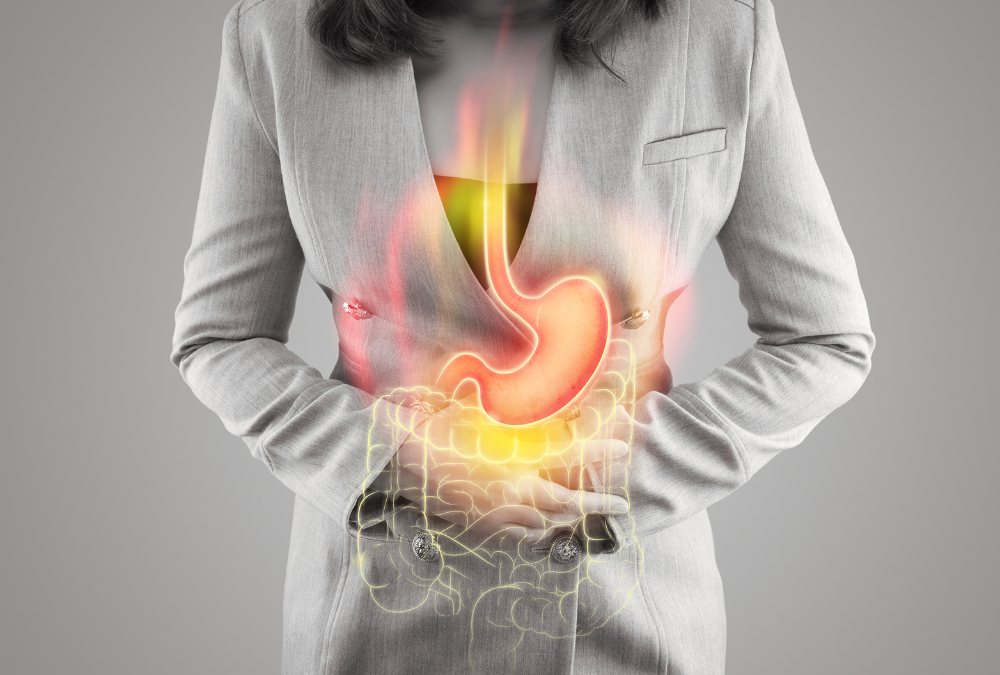
 There are several ways allergies can worsen GERD symptoms:
 If medications fail to provide adequate relief, surgical intervention may be necessary. The most common surgical procedure for nasal polyps is endoscopic sinus surgery. During this procedure, the surgeon uses a small camera and surgical instruments to access the sinuses through the nostrils. The polyps can then be removed and any blockages in the sinuses can be corrected.
 Risks and Benefits of Surgery