
Sinus Infection Treatment in Orange County
Sinus infections, or sinusitis, are a common health concern causing various unpleasant symptoms. Sinusitis occurs when the tissues lining the sinuses, air-filled spaces within the skull, become inflamed. This inflammation can be triggered by a variety of factors, including the common cold, other viral infections, bacterial infections, fungal infections, and allergies.
Understanding Your Sinuses
Sinuses are air-filled cavities located within your facial bones. They play an important role in:
- Humidifying inhaled air: Sinuses add moisture to the air you breathe, preventing irritation and dryness in your nasal passages.
- Filtering dust and allergens: Sinuses act as a natural filter, trapping dust particles and allergens before they reach your lungs.
- Maintaining facial structure: Sinuses contribute to the shape and structure of your face.
 What Causes Sinus Infections?
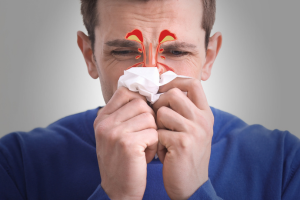 What Causes Sinus Infections?
Several factors can lead to a sinus infection, including:
- Viral infections: The common cold or other viral infections can cause inflammation and swelling in the sinus lining, blocking drainage and leading to infection.
- Bacterial infections: If a viral infection lingers or weakens your immune system, bacteria can invade the sinuses and cause an infection.
- Allergies: Allergies can trigger inflammation in the sinuses, leading to congestion and blockage.
- Nasal polyps: These are noncancerous growths in the nasal lining that can obstruct sinus drainage.
- Deviated septum: A deviated septum is a misaligned wall separating the nostrils, which can impede proper drainage and increase your risk of sinus infections.
- Fungal sinusitis: This is a rare type of sinus infection caused by fungi, typically seen in individuals with weakened immune systems.
Recognizing Sinus Infection Symptoms
Being aware of the common symptoms of sinus infections can help you seek prompt medical attention if needed. Here are some key signs to watch for:
- Facial pain and pressure: This is a hallmark symptom of sinusitis, often described as a dull ache or pressure around the forehead, cheeks, or eyes.
- Nasal congestion: A stuffy or blocked nose can make breathing difficult and disrupt sleep.
- Runny nose: You might experience clear or yellow-greenish discharge from your nose.
- Post-nasal drip: Drainage of mucus down the back of your throat can cause a sore throat, cough, and a feeling of something dripping down your throat.
- Headache: Sinus pain can radiate to your forehead, causing headaches.
- Fever: A low-grade fever may accompany a sinus infection.
- Loss of smell or taste: Inflammation in the sinuses can affect your sense of smell and taste.
- Facial swelling: In some cases, the infected sinus area might become swollen and tender.
- Bad breath: Mucus buildup in the sinuses can contribute to bad breath.
- Toothache: Pressure in the sinuses can sometimes be mistaken for toothache.
What is the difference between a cold or an allergy, sinusitis, and COVID?
It can be tricky to tell the difference between sinusitis, COVID-19, a cold, and allergies, as they can share some similar symptoms. Here’s a breakdown to help you understand the key differences:
Sinusitis
- Key Symptoms:
- Facial pain or pressure (around eyes, forehead, cheeks)
- Thick, discolored nasal discharge (yellow or green)
- Post-nasal drip
- Congestion
- Loss of smell
- Cough
- Headache
- Less Common:
- Fever
- Fatigue
- Bad breath
COVID-19
- Key Symptoms:
- Fever or chills
- Cough
- Shortness of breath or difficulty breathing
- Fatigue
- Muscle or body aches
- Headaches
- New loss of taste or smell
- Sore throat
- Congestion or runny nose
- Nausea or vomiting
- Diarrhea
Also Read: Sinus Infection or COVID-19: How to Spot the Difference
Common Cold
- Key Symptoms:
- Runny nose (usually clear initially)
- Sore throat
- Cough
- Sneezing
- Congestion
- Mild headache
- Muscle aches
- Low-grade fever (sometimes)
Allergies
- Key Symptoms:
- Runny nose (usually clear and watery)
- Sneezing
- Itchy eyes, nose, and throat
- Congestion
- Post-nasal drip
Here’s how to distinguish between them:
-
- Duration:
- Cold: Usually lasts 7-10 days.
- Sinusitis: Can last longer than 10 days.
- COVID-19: Varies, but can last for weeks or even months for some individuals.
- Duration:
- Allergies: Can be seasonal or year-round, depending on triggers.
-
- Type of Discharge:
- Cold: Initially clear, may become thicker.
- Sinusitis: Often thick, discolored (yellow or green).
- Allergies: Usually clear and watery.
-
- Other Symptoms:
- COVID-19: May include loss of taste or smell, shortness of breath, and other more severe symptoms.
- Allergies: Often include itchy eyes, nose, and throat.
- Sinusitis: Primarily characterized by facial pain/pressure and thick discharge.
When to See a Sinus Doctor in Orange County
While some sinus infections resolve on their own within a few weeks, seeking medical attention is important if:
- Your symptoms last longer than two weeks or worsen over time.
- You experience a high fever (above 102°F).
- You have severe facial pain or headaches.
- You have vision problems or changes in vision.
- You have severe dental pain.
- You experience sudden or severe swelling in your face.
If you’re experiencing these symptoms, it’s important to consult with a qualified sinus doctor in Orange County to get a proper diagnosis and discuss the best treatment options for your specific case.
 Treatment Options for Sinus Infections
 Treatment Options for Sinus Infections
The treatment for your sinus infection will depend on the underlying cause and severity of your symptoms. Here are some common treatment options:
- Home remedies: Rest, hydration, using a humidifier, warm compresses on your face, and saline nasal irrigation can help relieve congestion and discomfort.
- Over-the-counter medications: Decongestants, pain relievers (like ibuprofen or acetaminophen), and antihistamines can help alleviate some symptoms.
- Nasal sprays: Corticosteroid nasal sprays can reduce inflammation in the nasal passages.
- Antibiotics: If your sinus infection is caused by bacteria, your doctor may prescribe antibiotics.
- Antihistamines: If allergies are contributing to your sinus problems, antihistamines can help reduce inflammation.
- Corticosteroids: In severe cases, oral or injected corticosteroids may be used to reduce inflammation.
- Surgery: In rare cases, surgery may be necessary to correct underlying issues such as nasal polyps or a deviated septum.
Sinus Infection Symptoms in Children
In children, sinus infections can sometimes be difficult to diagnose as their symptoms can mimic those of a cold. Here are some common signs and symptoms of a sinus infection in children:
- Runny nose: May be clear, yellow, or green.
- Stuffy nose: Difficulty breathing through the nose.
- Cough: May be productive (with mucus) or dry.
- Fever: May be present, especially in younger children.
- Facial pain or pressure: May be difficult for young children to describe, but they might rub their face or seem fussy.
- Loss of appetite: Due to difficulty smelling or tasting food.
- Bad breath: Caused by post-nasal drip.
- Irritability or fussiness: Especially in infants and toddlers.
- Difficulty sleeping: Due to nasal congestion or discomfort.
- Headaches: May occur in older children.
These symptoms can also be caused by other illnesses, such as the common cold. If you suspect your child may have a sinus infection, it’s important to consult with a pediatrician for proper diagnosis and treatment.
Natural Remedies for Sinus Relief
While not a substitute for medical advice, some natural remedies may provide relief from sinus symptoms:
- Essential oils: Inhaling essential oils like eucalyptus, peppermint, or tea tree oil can help clear congestion.
- Warm compresses: Applying warm compresses to your forehead or cheeks can help soothe pain and reduce inflammation.
- Humidifier: Using a humidifier can add moisture to the air, helping to loosen mucus and ease congestion.
- Neti pot: A neti pot can be used to rinse your nasal passages with a saline solution, helping to clear mucus and reduce inflammation.
Preventing Sinus Infections
While you can’t always prevent sinus infections, taking certain steps can reduce your risk:
- Wash your hands frequently: This helps prevent the spread of viruses and bacteria.
- Avoid irritants: Avoid smoke, pollutants, and other irritants that can irritate your nasal passages.
- Manage allergies: If you have allergies, take steps to control your allergies, such as avoiding allergens and using allergy medications.
- Stay hydrated: Drinking plenty of fluids can help thin mucus and improve drainage.
- Boost your immune system: Eat a healthy diet, get enough sleep, and manage stress to support a strong immune system.
FAQs
How long does a sinus infection last?
The duration of a sinus infection varies depending on the cause and severity. Viral sinusitis typically resolves within 7-10 days, while bacterial sinusitis may require antibiotics and take longer to clear.
Can you prevent sinus infections?
While you can’t always prevent sinus infections, taking steps like washing your hands frequently, avoiding irritants, and managing allergies can reduce your risk.
What causes sinus infections in adults?
Common causes of sinus infections in adults include viral infections, bacterial infections, allergies, nasal polyps, and a deviated septum.
What are the best home remedies for sinus infections?
Home remedies like rest, hydration, using a humidifier, warm compresses, and saline nasal irrigation can help relieve congestion and discomfort.
When to see a doctor for a sinus infection?
Seek medical attention if your symptoms last longer than two weeks, worsen over time, or if you experience severe symptoms such as high fever, severe facial pain, or vision problems.
How to get rid of a sinus infection?
Treatment options for sinus infections may include over-the-counter medications, prescription medications, and in some cases, surgery.
What is the difference between acute and chronic sinusitis?
Acute sinusitis: This is the most common type of sinusitis. It’s characterized by symptoms that last for less than four weeks.
Chronic sinusitis: This type of sinusitis persists for 12 weeks or longer, despite treatment. In some cases, surgery may be necessary to improve sinus drainage and relieve sinus pressure and sinus congestion.
Also Read: Considering Surgery for Chronic Sinusitis? Here’s What You Should Know
Finding a Sinus Doctor Near Me in Orange County
Orange County boasts a wide network of skilled ear, nose, and throat (ENT) specialists. When seeking expert care for sinus issues, consider Orange Coast ENT Head and Neck Surgery as a preferred option. We offer comprehensive sinus evaluations and treatment plans tailored to individual needs.