by dev | Jan 6, 2026 | Allergies
If you’ve ever climbed into bed and realized you suddenly can’t breathe through your nose at night, you’re not alone. Many people notice their nose feels open during the day, but becomes blocked the moment they lie down. It’s frustrating, confusing, and it can make sleep feel impossible. The truth is that nighttime nasal obstruction has real physiological causes, and it often reveals underlying issues that need attention.
Your body behaves differently when you sleep. Your position changes. Blood flow shifts. Temperatures drop. All of this affects your nasal passages. In this guide, we’ll walk through what happens inside the nose at night, what conditions make it worse, how it affects your health, what you can try at home, and when it’s time to see an ENT for a proper diagnosis.
The Physiology of Nighttime Nasal Congestion
Once you lie down, blood naturally moves toward your head. That shift can make your nasal tissues swell slightly. For people with healthy airways, that’s barely noticeable. But if you already deal with chronic nasal blockage, even mild swelling can feel like complete obstruction.
Fluid also redistributes when you sleep, which affects how mucus drains. During the day, gravity helps things move downward. At night, everything slows. Mucus thickens and collects, and airflow feels tighter. Even the slight drop in nighttime temperature can make tissues inside the nose swell a bit more.
And while you sleep, your muscles relax. That includes the small muscles around your nasal passages. When they relax, the natural space inside the airway narrows. If your nose was already irritated or inflamed, the change can push you from mildly stuffy to entirely blocked.
Common Causes of Nighttime Nasal Obstruction
A blocked nose at night usually results from a combination of swelling, congestion, and structural issues. Several patterns recur, and they often overlap.
Allergies are one of the biggest triggers. Dust mites in bedding, pet dander on pillows, and even certain fabrics can irritate the nose for hours while you sleep. You’ll usually suspect allergy-driven congestion if you wake up stuffy most mornings, feel fine later in the day, or have itchy, watery eyes along with the nighttime blockage.
Chronic sinusitis creates a different kind of problem. The sinuses stay inflamed, mucus builds up, and drainage slows. At night, the swelling increases because you’re lying flat. Sinus congestion at night becomes more severe, and breathing feels tighter.
Structural issues also play a significant role. A deviated septum can limit airflow on one side of the nose, especially when sleeping on that same side. Enlarged turbinates, which are small, curved structures inside the nose that help warm, humidify, and filter the air you breathe, can also cause additional blockage. This swelling may happen due to cold air, irritants, or long-term allergies. Additionally, the nasal valve, which is the narrowest part of the nose, can weaken and collapse during inhalation, making breathing even more difficult. People often describe this as their nose caving in when they try to take a deeper breath.
There are also internal changes you can’t see. Nasal polyps, which are soft, noncancerous growths, can take up space and reduce airflow. Acid reflux can travel upward while you’re sleeping. This irritates the back of the nose, leading to thick postnasal drip that blocks breathing. And during cold or flu season, viral swelling makes nighttime congestion almost unavoidable.
To keep it simple, here are the most common contributors:
- Bedroom allergens
- Persistent sinus inflammation
- Septum deviation or narrowed nasal passages
- Turbinate swelling
- Nasal valve weakness
- Polyps that restrict airflow
- Reflux-related irritation
- Seasonal or viral infections
These problems are more noticeable at night because tissues relax, drainage slows, and blood flow changes. If you regularly can’t breathe through your nose at night, an ENT evaluation can help identify the cause and improve your breathing.
Why This Matters: How Blocked Nighttime Breathing Affects Health
Nighttime congestion can feel uncomfortable, but its effects go beyond annoyance. Poor airflow disrupts your sleep quality, affecting your days more than you may realize.
When your breathing feels blocked, you wake up frequently, even if you don’t remember it. That leads to:
- Fatigue the next morning
- Difficulty focusing
- Irritability or low energy
Mouth breathing can also take over when the nose is blocked. That causes dry mouth, a scratchy throat, and morning discomfort. It also increases the risk of snoring or contributing to sleep-disordered breathing.
If congestion continues night after night, sinus pressure and headaches often worsen. For people with underlying sinus conditions, blocked nighttime airflow raises the risk of infections.
Also Read: Get Better Sleep: Understanding and Treating Nasal Airway Obstruction
At-Home Steps That May Improve Nighttime Nasal Breathing
You may try some simple steps to help ease your symptoms before bedtime. While these aren’t a replacement for professional medical advice, they could help you feel more comfortable.
Helpful at-home options include:
- Using a humidifier to keep the air moist.
- Taking a warm shower or inhaling steam can help loosen mucus.
- Allergy-proofing your bedroom with mattress and pillow covers.
- Removing pets from the sleeping area.
- Running a HEPA filter to reduce allergens.
- Staying hydrated and using saline rinses to thin mucus.
- Elevating your head slightly during sleep to improve airflow.
If these steps only provide temporary relief or your symptoms return every night, it usually means an underlying condition persists. In such cases, home remedies alone are often insufficient, and a professional assessment is necessary to identify the cause and determine the appropriate treatment.
When to See an ENT Specialist
If nasal symptoms persist or begin to interfere with your sleep and daily activities, it’s crucial to seek a professional evaluation. This applies in cases such as:
- Symptoms persist for more than two weeks
- Congestion keeps coming back despite home treatment
- You might suspect a structural issue, such as a deviated septum, nasal valve collapse, or nasal polyps
- Snoring or breathing pauses happen
- You struggle with morning fatigue or poor focus during the day
An ENT can perform a complete nasal evaluation to determine the real cause. This may include nasal endoscopy, imaging, or allergy testing. These tools help pinpoint exactly why you’re experiencing a blocked nose at night and which treatment will help.
Also Read: Top Signs You Need a Sinus Specialist
Effective Medical and Office-Based Treatments
Once the cause of nighttime nasal obstruction is identified, treatment becomes much more effective. Most patients see significant improvement once they get the correct diagnosis. An ENT may recommend various options depending on the root problem, including:
- Evaluation of allergies and prescriptions
- Immunotherapy for long-term allergy management
- Medical treatment of chronic sinusitis, including steroid sprays or medicated rinses
- Balloon sinuplasty to open blocked sinus passages
- Septoplasty to correct a deviated septum and improve airflow
- Turbinate reduction to decrease swollen tissue
- Treatment of nasal polyps with medication or surgery
- Diagnostic imaging when symptoms do not match visible causes
These treatments focus on fixing the underlying problem rather than just temporarily easing symptoms.
How an ENT Determines the Real Cause
To diagnose the reason behind difficulty breathing while sleeping, ENTs depend on a comprehensive examination, which may involve:
- Nasal endoscopy to view the airway directly
- Evaluation of the nasal valves for collapse
- Imaging studies to check for chronic infection or polyps
- Allergy testing when environmental triggers are suspected
- A discussion about sleep quality, snoring, and nighttime patterns
ENT specialists at Orange Coast Ear, Nose and Throat provide comprehensive medical health assessments to identify the exact cause of your nighttime nasal blockage. They create personalized treatment plans that may involve medical management, office-based procedures, or surgery, as needed. With their expertise, patients often experience significant improvements, helping them breathe more easily at night and enjoy better, more restful sleep.
Conclusion
Nighttime nasal blockage is common, but it’s not something you need to live with. Most causes, whether allergies, swelling, structural issues, or sinus inflammation, are treatable once properly diagnosed. If you’re dealing with nighttime nasal congestion, snoring, or persistent difficulty breathing while sleeping, an ENT evaluation can help identify the exact reason for your symptoms.
Effective treatment is accessible, and most patients experience notable improvement following expert care. Take the next step toward clear, comfortable nighttime breathing by making an appointment with a specialist at Orange Coast ENT. Our team can identify the cause of your symptoms and develop a personalized plan to restore restful sleep and enhance your overall quality of life.

by dev | Apr 28, 2025 | Allergies, Sinus Infections
That sudden inability to draw a full breath can trigger a wave of panic. The chest tightens, the mind races, and a trip to the emergency room often feels like the only immediate solution. This understandable reaction to a frightening sensation can, however, sometimes lead to unnecessary stress and expense.
While acute, severe breathing emergencies certainly demand immediate ER attention, many persistent or recurring breathing issues stem from problems within the ears, nose, and throat. These are precisely the areas of expertise for an Irvine ENT specialist, who can often diagnose and manage these conditions effectively, helping you navigate your breathing difficulties without the need for an emergency room visit.
By understanding when and how an ENT specialist can help, you can make informed decisions about your care and potentially avoid the ER for sinus and breathing issues, finding lasting relief and improved respiratory health. Knowing when to see an ENT for breathing issues can be a game-changer in managing your symptoms proactively.
Common Causes of Breathing Problems: Irvine ENT Specialists Treat
An ENT doctor near me for breathing trouble possesses a deep understanding of the intricate connections between the ears, nose, and throat and their impact on breathing. Many seemingly urgent breathing problems originate in these areas.
Nasal Obstruction
Structural issues like a deviated septum, where the wall dividing the nasal passages is crooked, or the presence of nasal polyps, soft growths in the nasal lining, can physically block airflow, leading to chronic nasal congestion and difficulty breathing through the nose.
Chronic Sinusitis and Congestion
Persistent inflammation and infection of the sinuses result in thick mucus buildup, nasal blockage, facial pain, and a constant feeling of being unable to breathe freely through the nose.
Enlarged Turbinates or Adenoids
Turbinates are bony structures within the nasal passages that help humidify and filter air. When they become enlarged due to allergies or inflammation, they can obstruct airflow. Similarly, enlarged adenoids, located in the back of the nasal cavity, can be a significant cause of breathing problems, particularly in children.
Allergic Rhinitis and Seasonal Allergies
Exposure to allergens like pollen, dust mites, or pet dander can trigger an inflammatory response in the nasal passages, leading to 1 sneezing, a runny nose, congestion, and difficulty breathing, often worsening during specific seasons.
Vocal Cord Dysfunction
This paradoxical condition involves the involuntary closing or spasming of the vocal cords during breathing, leading to episodes of shortness of breath, wheezing, and a sensation of throat tightness.
Throat or Airway Inflammation
Infections such as tonsillitis (inflammation of the tonsils) or laryngitis (inflammation of the voice box) can cause swelling and narrowing of the upper airway, resulting in sore throat, hoarseness, and difficulty breathing.
Sleep-disordered Breathing
Conditions like obstructive sleep apnea, characterized by repeated pauses in breathing during sleep, and even habitual snoring, can be indicative of underlying structural issues in the upper airway that an ENT specialist can evaluate and manage.
Also Read: Considering Surgery for Chronic Sinusitis? Here’s What You Should Know
How ENT Evaluations Identify the Root Cause of Breathing Issues
When you consult an ENT for breathing problems, they employ a range of diagnostic tools and techniques to accurately identify the underlying cause of your symptoms.
Thorough History and Physical Exam
Your ENT will begin by taking a detailed account of your breathing difficulties, including when they started, what triggers them, and any associated symptoms. They will then perform a comprehensive physical examination of your nose, throat, and ears to look for any visible abnormalities.
Nasal Endoscopy or Imaging (CT scans)
A nasal endoscopy involves the gentle insertion of a thin, flexible scope with a small camera into your nasal passages. This allows the ENT to directly visualize the nasal lining, identify any polyps, inflammation, or structural issues, such as a deviated septum. In some cases, a CT scan of the sinuses and nasal passages may be ordered to provide more detailed imaging of the underlying bone and soft tissue structures.
Allergy Testing
If allergies are suspected as a contributing factor to your breathing problems, your ENT may recommend allergy testing. This can involve skin prick tests or blood tests to identify specific allergens that trigger your symptoms.
Sleep Studies or Airway Evaluation
For patients experiencing symptoms suggestive of sleep-disordered breathing, such as loud snoring or daytime fatigue, a sleep study (polysomnography) may be recommended to monitor breathing patterns, oxygen levels, and other physiological parameters during sleep. Further airway evaluation, including physical examination and potentially imaging, may also be conducted.
Laryngoscopy for Voice or Throat-related Issues
If your breathing problems are accompanied by changes in your voice, hoarseness, or throat discomfort, a laryngoscopy may be performed. This procedure enables the ENT specialist to directly visualize the larynx (voice box) and its surrounding structures, allowing for the identification of any inflammation, lesions, or vocal cord dysfunction.
Treatment Options That Help You Breathe Easier Without Emergency Care
Once a diagnosis is made, your Irvine ENT specialist will develop a tailored treatment plan to alleviate your breathing problems and help you manage your condition effectively, often preventing the need for emergency intervention.
Medications
Depending on the underlying cause, your ENT may prescribe various medications to manage your symptoms. These can include decongestants to reduce nasal congestion, antihistamines to combat allergic reactions, nasal sprays (both saline and corticosteroid) to reduce inflammation in the nasal passages, and antibiotics if a bacterial infection is present.
In-office Procedures
For certain conditions, minimally invasive in-office procedures can provide significant and rapid relief. Balloon sinuplasty is a procedure used to open blocked sinus passages by inflating a small balloon catheter. Turbinate reduction techniques can shrink enlarged turbinates, improving airflow through the nose.
Surgery
When conservative treatments are not sufficient, surgery may be considered to address structural issues. Septoplasty corrects a deviated septum, polyp removal eliminates nasal polyps, and tonsillectomy may be recommended for recurrent tonsillitis causing airway obstruction. These surgical options are typically reserved for cases where other treatments have failed.
CPAP Therapy or Oral Appliances for Sleep Apnea
For individuals diagnosed with obstructive sleep apnea, an ENT can prescribe continuous positive airway pressure (CPAP) therapy, which uses a mask to deliver pressurized air and keep the airway open during sleep. They may also recommend custom-fitted oral appliances that reposition the jaw to maintain an open airway.
Voice Therapy or Breathing Techniques for Vocal Cord Dysfunction
In cases of vocal cord dysfunction, specialized voice therapy sessions can teach patients techniques to control their vocal cords and improve their breathing patterns, reducing the frequency and severity of episodes.
Warning Signs That Do Require Emergency Medical Attention
While an ENT can effectively manage many breathing issues, it is essential to recognize when your symptoms warrant immediate emergency medical attention. Seek the nearest emergency room if you experience any of the following:
- Sudden, severe shortness of breath
- Chest pain or pressure with breathing issues
- Bluish lips or face
- High-pitched wheezing or stridor
- Difficulty speaking or swallowing
- Any breathing problem in a child that worsens rapidly
Also Read: How Do Sinus Infections Affect Your Respiratory Health?
Why Seeing an ENT First Can Prevent ER Visits
Choosing to consult an ENT doctor near me for breathing trouble as your first point of contact for persistent or recurring breathing problems offers numerous benefits and can often help you avoid the ER for sinus and breathing issues.
- Faster diagnosis of chronic or recurring problems
- Avoidance of repeated urgent care or ER bills
- Ongoing management and monitoring of symptoms
- Access to both medical and surgical solutions tailored to ENT-related causes
Conclusion
Breathing problems, while often alarming, don’t always necessitate an immediate trip to the emergency room. An ENT specialist plays a vital role in diagnosing and managing a wide spectrum of non-emergency yet impactful breathing issues stemming from the ears, nose, and throat.
Rest assured that many chronic or recurring breathing problems can be effectively managed without the stress and expense of an ER visit. By understanding when to see an ENT for breathing issues, you can take control of your respiratory health and seek the specialized care you need.
For peace of mind and proactive care, we encourage you to schedule an ENT consultation with Orange County ENT Head and Neck Surgery to address any persistent breathing concerns.
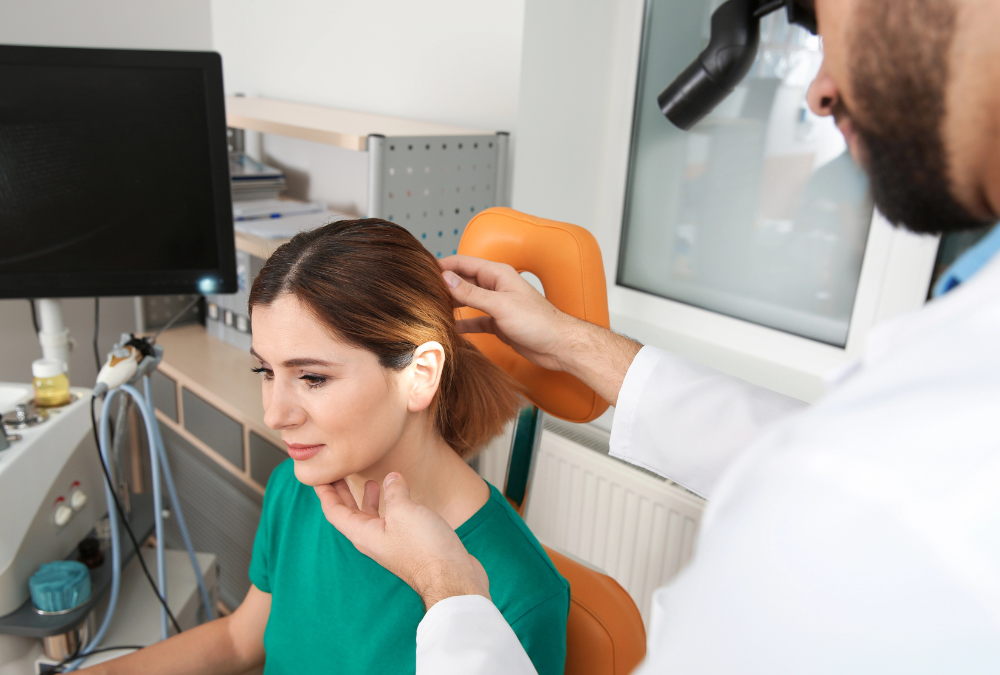
by dev | Apr 15, 2025 | Allergies, Sinus Infections
For many, the image of hearing loss conjures thoughts of older individuals gradually losing their ability to hear. While it’s true that age-related hearing decline is common, a growing number of people under the age of 50 are experiencing hearing issues. This rise is often linked to modern lifestyle choices and environmental factors that place significant stress on our auditory systems. We’ll look at the increasing prevalence of hearing loss in young adults, helping you recognize the subtle early signs and understand when to see an ENT for hearing loss in Irvine for timely intervention.
Common Causes of Hearing Loss in Younger Adults
The reasons behind hearing loss in young adults are varied and often stem from factors we encounter in our daily lives.
Noise-induced Hearing Loss
This is a leading cause, often resulting from prolonged exposure to loud sounds. Think about attending concerts without ear protection, consistently using headphones at high volumes, or working in noisy industrial environments. Over time, these intense sound waves can damage the delicate hair cells in the inner ear, which are responsible for transmitting sound signals to the brain.
Ear Infections or Untreated Allergies
While common in childhood, persistent or recurrent ear infections can lead to fluid buildup and potential damage to the middle ear structures, affecting hearing. Similarly, chronic allergies can cause Eustachian tube dysfunction, impacting pressure regulation and potentially contributing to hearing difficulties.
Genetics or Family History of Hearing Problems
Just like other health conditions, a predisposition to hearing loss can be inherited. If there’s a family history of early-onset hearing impairment, younger individuals may be at a higher risk.
Autoimmune Disorders or Otosclerosis
Certain autoimmune diseases can affect the inner ear. Otosclerosis, a condition where abnormal bone growth occurs in the middle ear, can also impede sound transmission and lead to hearing loss, often starting in young adulthood.
Ototoxic Medications
Some medications, while necessary for treating other health issues, can have a toxic effect on the inner ear, leading to hearing loss or tinnitus. These are known as ototoxic medications, and their impact can vary depending on the dosage and duration of use.
Chronic Sinus or Eustachian Tube Issues
Persistent sinus infections or problems with the Eustachian tube, which connects the middle ear to the back of the throat, can disrupt normal ear function and contribute to temporary or even long-term hearing difficulties.
Also Read: Is it TMJ or an Ear Infection? Warning Signs to Watch For
Early Warning Signs of Hearing Loss
Recognizing the early signs of hearing loss is necessary for seeking timely help.
- Frequently asking others to repeat themselves: This is a common indicator that you’re missing parts of conversations, especially when the speaker isn’t facing you directly or speaking clearly.
- Turning up the TV or music louder than others prefer: If family members or friends consistently comment that the volume is too high, it might be a sign that your hearing isn’t as sharp as it used to be.
- Difficulty understanding conversations in noisy environments: Background noise can make it significantly harder to distinguish speech if you have some degree of hearing loss. Following conversations in restaurants or crowded rooms may become increasingly challenging.
- Ringing or buzzing in the ears (tinnitus): This phantom noise can manifest in various ways, including ringing, buzzing, hissing, or clicking sounds. While sometimes temporary, persistent tinnitus can be a symptom of underlying hearing damage.
- Feeling of fullness or pressure in the ears: This sensation can sometimes accompany hearing loss and may indicate a problem with the middle ear or Eustachian tube.
- Withdrawal from social situations due to communication struggles: If you find yourself avoiding social gatherings because you’re struggling to hear and participate in conversations, it’s a significant sign that your hearing might be affected.
When to See an ENT for a Hearing Evaluation
It’s necessary to consult an ENT if you experience any of the persistent warning signs mentioned above. Specifically, you should consider scheduling an appointment for an ENT hearing test in Irvine if:
- Symptoms that persist longer than a few weeks: Occasional difficulty hearing might not be a cause for immediate alarm, but if you consistently experience any of the warning signs for several weeks, it warrants a professional evaluation.
- Sudden hearing loss in one or both ears: This is a medical emergency and requires immediate attention. Sudden hearing loss can have various causes, some of which are treatable if addressed promptly.
- Hearing changes accompanied by dizziness, balance issues, or ear pain: These accompanying symptoms can indicate a more complex underlying issue that requires thorough investigation by an ENT specialist.
- History of frequent ear infections or sinus problems: If you have a history of recurrent ear infections or chronic sinus issues, it’s wise to have your hearing checked periodically to ensure these conditions haven’t impacted your auditory health.
- Exposure to loud environments without hearing protection: If you frequently expose your ears to loud noise without using adequate protection, it’s a good idea to get a baseline hearing test near me to monitor your hearing over time.
Also Read: Can Earbuds Affect Your Hearing and Ear Health?
What to Expect During a Hearing Test with an ENT
Full Medical and Auditory History Review
The Irvine ENT doctor will ask detailed questions about your medical history, any previous ear problems, exposure to noise, and any medications you’re currently taking. They will also inquire about the specific hearing symptoms you’ve been experiencing.
Physical Ear Exam to Check for Obstructions or Infection
The doctor will visually examine your ear canal and eardrum using an otoscope to look for any blockages (like earwax), signs of infection, or other abnormalities.
Audiometric Testing (hearing thresholds, speech recognition, etc.)
This is the core of the hearing evaluation. You’ll likely be referred to an audiologist who will conduct various tests in a soundproof booth. These tests typically involve:
- Pure-tone audiometry: You’ll wear headphones and indicate when you hear a series of beeps at different frequencies and volumes. This helps determine your hearing thresholds.
- Speech audiometry: You’ll be asked to repeat words and phrases presented at different volumes to assess your ability to understand speech.
Possible Imaging or Referral to Audiology for Advanced Diagnostics
In some cases, the ENT doctor may recommend imaging studies, such as an MRI or CT scan, to further investigate the cause of your hearing loss. They might also refer you to an audiologist for more specialized tests.
Discussion of Treatment Options Based on the Cause and Severity
Once the hearing test results are in, the ENT doctor will discuss the findings with you and recommend appropriate treatment options based on the underlying cause and the degree of your hearing loss.
Treatment Options for Mild to Moderate Hearing Loss
The treatment for hearing loss varies depending on the cause and severity.
- Lifestyle changes (volume control, noise avoidance): If noise exposure is a contributing factor, the ENT doctor will advise on strategies to reduce your exposure to loud sounds and use safe listening practices.
- Medical treatment for underlying ENT conditions: If your hearing loss is related to an ear infection, allergies, or sinus issues, treating these underlying conditions may improve your hearing.
- Hearing aids or amplification devices: For more significant or permanent hearing loss, hearing aids are often recommended to amplify sounds and improve communication.
- Assistive listening devices for work or school: These devices can help improve hearing in specific situations, such as using FM systems in classrooms or conference rooms.
- Tinnitus management techniques for ringing: If you experience tinnitus alongside hearing loss, an ENT doctor or audiologist can recommend strategies to help manage the ringing, such as sound therapy or counseling.
Also Read: What Are the Long-Term Effects of Ear Infections?
Preventing Further Hearing Damage
Taking proactive steps to protect your hearing is essential, particularly for younger adults who want to maintain their hearing health over the long term.
- Safe headphone use and volume control tips: Limit your daily headphone use and keep the volume below 60% of the maximum. The “60/60 rule” (listening at no more than 60% volume for no more than 60 minutes at a time) is a good guideline.
- Use of earplugs at concerts, gyms, or during travel: When exposed to loud environments, wear high-fidelity earplugs designed to reduce noise levels evenly without distorting the sound.
- Managing allergies and sinus infections early: Promptly address allergies and sinus infections to prevent potential complications that could affect your hearing.
- Importance of regular hearing checkups if at risk: If you have a family history of hearing loss, work in a noisy environment, or frequently attend loud events, consider getting regular hearing tests near me as a preventative measure.
Conclusion
Hearing loss in young adults is a growing concern that shouldn’t be ignored. Recognizing the early warning signs and understanding when to consult an ENT for hearing loss are crucial steps in maintaining your long-term hearing health. Remember that early testing and intervention by an ENT can make a significant difference in managing hearing loss and maintaining your quality of life. Don’t hesitate to seek a professional evaluation at the first sign of trouble—your hearing is a precious sense worth protecting.
If you are experiencing any of the warning signs of hearing loss, don’t wait. Contact our office today to schedule an ENT hearing test in Irvine with our experienced team at Orange Coast ENT Head and Neck Surgery.
